

In the dynamic world of construction, scaffolding stands as an overlooked hero, providing the essential support that allows workers to reach new heights—literally and metaphorically. Whether you are a seasoned contractor managing a major project or a property owner exploring renovation options, understanding the science of scaffolding is crucial. It not only boosts safety but also improves productivity and effectiveness on work sites. With an variety of scaffolding solutions available, knowing how to navigate the various types and their specific uses can make all the impact in achieving project success.
As we dig into the intricacies of scaffolding, we will discuss key safety tips, regulatory adherence, and best practices tailored for different contexts, from domestic to commercial. Additionally, we'll discuss key factors such as choosing the right scaffolding system, identifying common hazards, and the importance of professional installation. By creating a solid foundation of knowledge about scaffolding, you can ensure a protected and more effective work environment, paving the way for project completion and success.
Essential Security Recommendations for Scaffolding
Ensuring a risk-free scaffolding arrangement is vital for protecting workers and the quality of the construction. One of the primary safety practices includes performing a complete inspection of the scaffolding prior to use. This includes checking for suitable assembly, firm footing, and the condition of all components. Staff should be prepared to identify any signs of wear that could jeopardize safety. Frequent inspections during the work duration are also necessary to address any concerns swiftly.
Another important safety measure is ensuring that scaffolding is used within its carrying capacity. Putting too much weight on scaffolding can cause structural breakdown and hazardous situations. It is crucial for managers to communicate weight limits distinctly and for workers to adhere rigorously to these guidelines. Additionally, placing heavy materials at deeper levels can aid ensure balance and stability.
Finally, anchoring scaffolding against adverse weather conditions is mandatory. High winds, rain, or snow can significantly impact the integrity of a scaffolding setup. In such cases, it is advisable to halt work until conditions become safer and to take appropriate measures to brace or stabilize scaffolding in place. By proactively managing Go to the website , teams can reduce the risk of incidents and boost overall site safety.
Selecting and Complying with Scaffolding Systems
Choosing the appropriate scaffolding system for your project is vital for both safety and effectiveness. Consider the kind of work being done, the elevation of the building, and the resources required. For business projects, modular scaffolding may provide flexibility and rapid assembly, while residential projects might profit from more straightforward systems like frame scaffolds. Consider factors such as weight limits, accessibility, and congruence with other construction elements to ensure the selected system meets all operational needs.
Compliance with scaffolding regulations is imperative to maintain safety norms on construction sites. Different local and national regulations outline the requirements for design, installation, and use of scaffolding systems. It's vital to keep updated about these standards, as not to comply can lead to legal issues and heightened hazards. Regular training and refresher courses for workers on adherence measures can help to foster a culture of safety on the job.
Planning is critical to effective scaffolding setup and compliance. Site managers should formulate detailed plans that address potential hazards and specify safety measures, including fall protection, load limits, and weather considerations. Incorporating a systematic inspection routine can further enhance security, ensuring that all components are consistently assessed for stability and soundness. By emphasizing compliance and rigorous planning, construction projects can run smoothly while keeping employee safety at the forefront.
Scaffold Best Guidelines for Construction
To ensure a successful scaffolding project, proper planning is essential. A comprehensive assessment of the site’s requirements, including the type of work to be performed, the height of the building, and the weight limit needed, will inform the selection of the correct scaffolding system. Involving qualified professionals in the planning phase can help identify potential hazards and simplify the installation process. Moreover, making sure that all personnel are educated and aware of safety procedures will minimize risks and enhance efficiency.
Regular inspections and maintenance of scaffolding systems are important in maintaining a safe work site. Inspect the scaffolding before each work period to ensure all components are tight and in proper condition. This includes checking for wear and tear, ensuring that all safety features are in place, and verifying that the base is firm and adequately leveled. Creating a thorough inspection checklist will assist site managers monitor these aspects consistently, preventing accidents due to equipment failure.
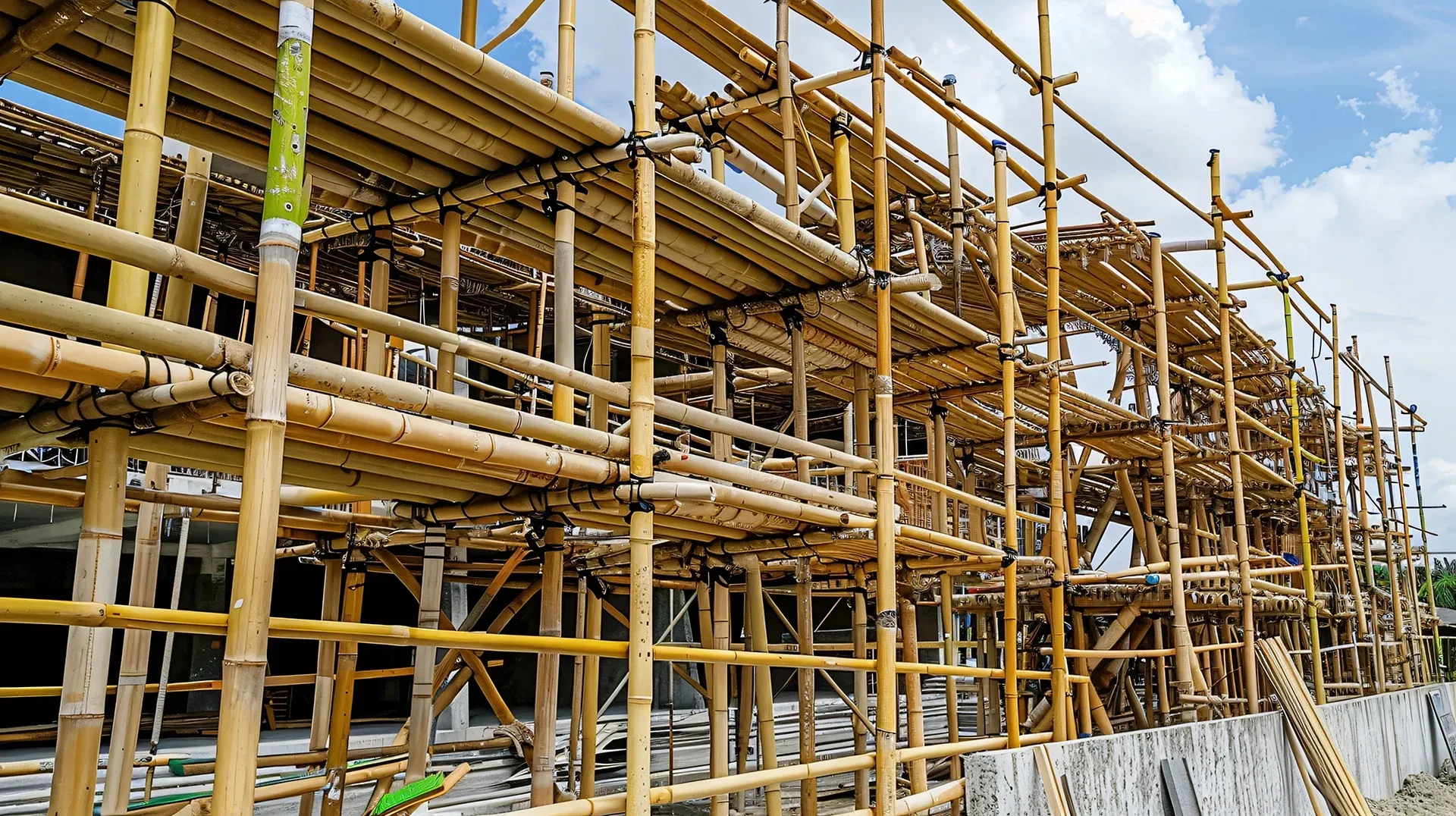
Lastly, awareness of environmental factors is essential for scaffolding safety and effectiveness. Weather conditions can substantially affect the security and safety of scaffolding. Temporary protective measures, such as tarps or weather-resistant barriers, should be used during adverse conditions. Creating emergency procedures and preparing workers to respond quickly to unforeseen events can further improve the safety of scaffolding processes, eventually contributing to the effective completion of the project.