

In recent years, the introduction of AdBlue technology has brought major changes to diesel engines, primarily aimed at minimizing harmful emissions. However, as drivers and fleet owners navigate the complexities of this system, some have begun to explore an AdBlue delete as a possible solution. This disputed modification involves dismantling the AdBlue system entirely, sparking a heated debate about whether it serves as a temporary fix to present problems or a lasting mistake that could lead to greater issues down the road.
Grasping the implications of an AdBlue delete demands exploring various factors, from the mechanics of how the AdBlue system works to the pros and cons that can affect vehicle performance. With many diesel vehicle owners facing frequent AdBlue-related challenges, it is important to address why some seek this deletion option while also considering the potential risks. As we delve into this topic, we'll analyze the critical considerations for those contemplating an AdBlue delete, providing insights into the future of diesel emissions technology and the overall impact on vehicle reliability and compliance.
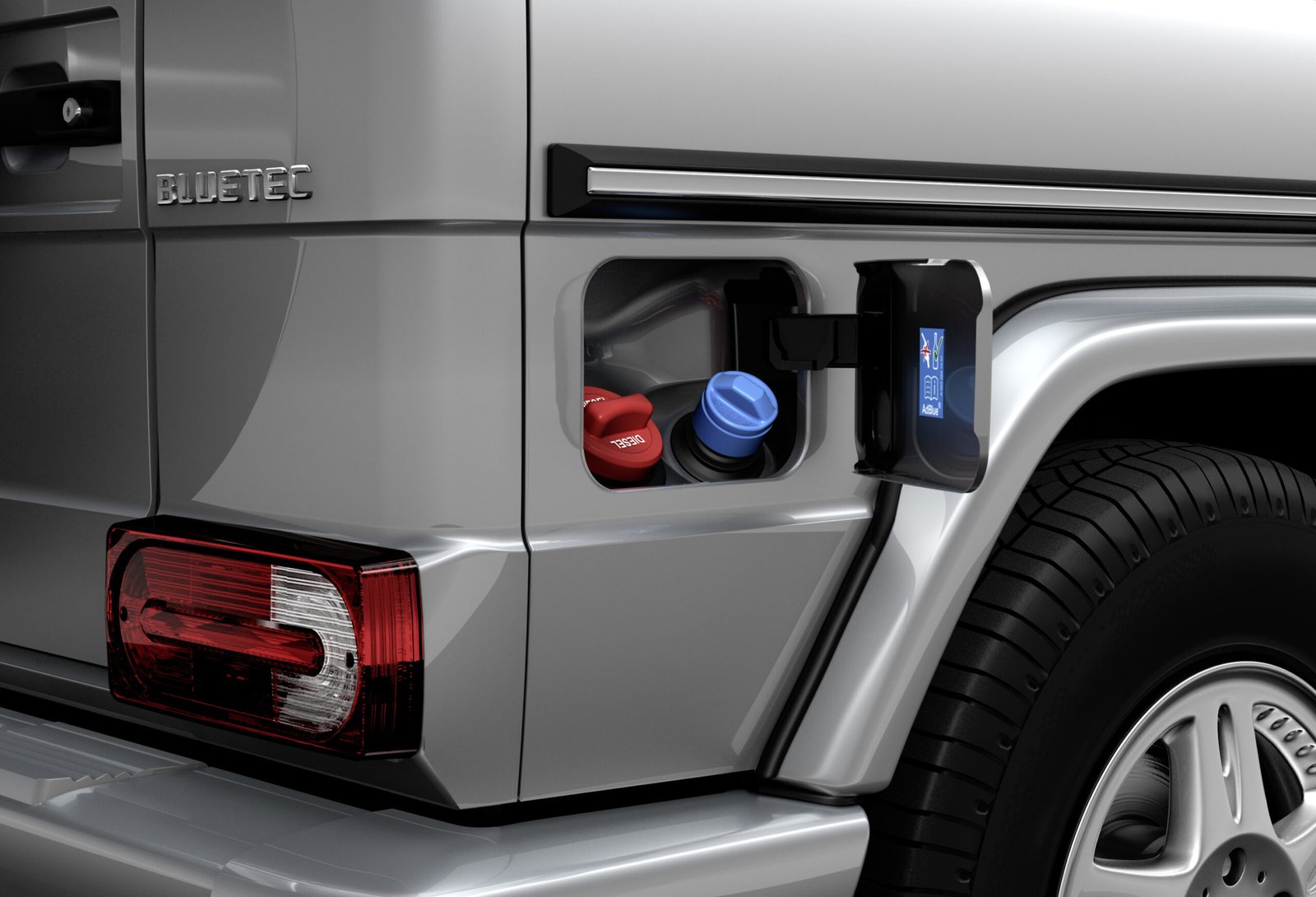
Grasping AdBlue Deletion along with The Repercussions
AdBlue delete denotes the method of disabling and disabling the SCR component that uses AdBlue, a fluid used in diesel exhaust, in diesel-engine cars. This system plays a key role in lowering noxious nitrogen oxide emissions produced during fuel combustion. By eliminating AdBlue, drivers may attempt to avoid the complexities and issues associated with the SCR component, considering it to be a quick fix to recurring issues with their diesel automobiles. However, understanding what this involves is essential for making the right decision.
The repercussions of an AdBlue delete can be substantial. First and foremost, eliminating the SCR system might lead to elevated emissions, which can have law-related implications depending on local regulations. Many areas have strict emissions standards, and non-compliance can cause hefty penalties. Additionally, while a few may expect better functionality or enhanced fuel efficiency with an AdBlue delete, the truth can often be contrary. A properly functioning AdBlue component is designed to enhance combustion and boost engine performance, so bypassing it could lead to other engine-related issues.
Moreover, the decision to initiate an AdBlue delete can impact the vehicle's guarantee and trade-in value. Modifying or altering emissions-related components can nullify warranties and make the vehicle less attractive to potential buyers who are concerned about regulatory compliance. It is crucial for diesel vehicle owners to consider these considerations carefully, factoring in not only immediate benefits but also extended consequences when determining whether an AdBlue delete is the best course of decision.
Pros and Cons of AdBlue Deletes
A major benefit of an AdBlue delete is the chance for immediate cost savings. Getting rid of the AdBlue system can cut out expenses related to purchasing AdBlue fluid and decrease maintenance costs associated with the system. For truck owners and fleet operators, this can translate to a greater profit margin, especially in industries where operational costs are carefully monitored. Additionally, AdBlue Delete Milton Keynes indicate a small increase in horsepower and performance after the delete, as it removes restrictions that the AdBlue system may place on engine functionality.
However, proceeding with an AdBlue delete can lead to serious legal and environmental implications. Most importantly, eliminating the AdBlue system may break emissions regulations, exposing owners to heavy fines or penalties. Moreover, as the delete removes components intended to minimize harmful emissions, it could contribute to environmental damage, countering the efforts made to promote greener diesel technology. This aspect is particularly concerning for commercial fleet operators who may face scrutiny from regulatory bodies.
Additionally, there are long-term risks associated with the action to delete the AdBlue system. While the immediate benefits may seem attractive, the absence of emissions controls can lead to higher wear and tear on the diesel engine over time. This can lead to costly repairs and reduced engine lifespan, counteracting any short-term savings. Additionally, a deleted system can make vehicles more difficult to resell, as potential buyers may be unwilling due to the potential legal and environmental repercussions of owning a modified diesel vehicle.
AdBlue System's Maintenance and Issue Resolution
Maintaining the AdBlue system is crucial for the effective operation of diesel vehicles. Regular checks of the AdBlue fluid level can prevent unexpected issues, as running low can lead to serious engine performance problems and even vehicle shutdown. It is crucial to ensure that the fluid is clear from contamination and to change it according to the manufacturer's guidelines. Keeping the AdBlue tank and related components clean will also help reduce the risks of crystallization, which can clog the system and cause expensive repairs.
When diagnosing AdBlue system issues, drivers should be familiar with typical warning messages displayed on the instrument panel. Issues such as "AdBlue System Fault" or "No restart within 1000 km" can signal a variety of problems, from sensor malfunctions to injector issues. Using diagnostic tools can help in pinpointing the specific issue, allowing for a more accurate and efficient repair. Understanding these alerts helps avoid unnecessary downtime and extends the lifespan of the pollution control system.
In colder climates, AdBlue management becomes even more important. Cold weather can affect the fluid's performance, and precautions should be taken to prevent freezing. Ensuring the vehicle is equipped with sufficient heating for the AdBlue system can improve reliability. Moreover, regular maintenance and timely repairs are essential to ensuring that the AdBlue system operates smoothly, which ultimately helps maintain compliance with emissions standards and contributes to overall vehicle performance.