

Regarding rehabilitating a stunning and practical smile, dental implants have emerged as a transformative option. These advanced solutions not only replace missing teeth, and also bring back the confidence and self-worth that can diminish with tooth loss. From improving oral health to uplifting quality of life, dental implants are changing lives one tooth at a time.
In this comprehensive guide, we will investigate all the information on dental implants, featuring how they work, the benefits they offer over traditional dentures, and the processes involved. We will also cover important factors to consider, such as cost, longevity, and what to anticipate prior to, during, and after the surgery. Whether you are contemplating dental implants for yourself or just curious about the topic, this article aims to offer you with important insights and information to help you make an educated decision.
Comprehending Dental Prosthetics
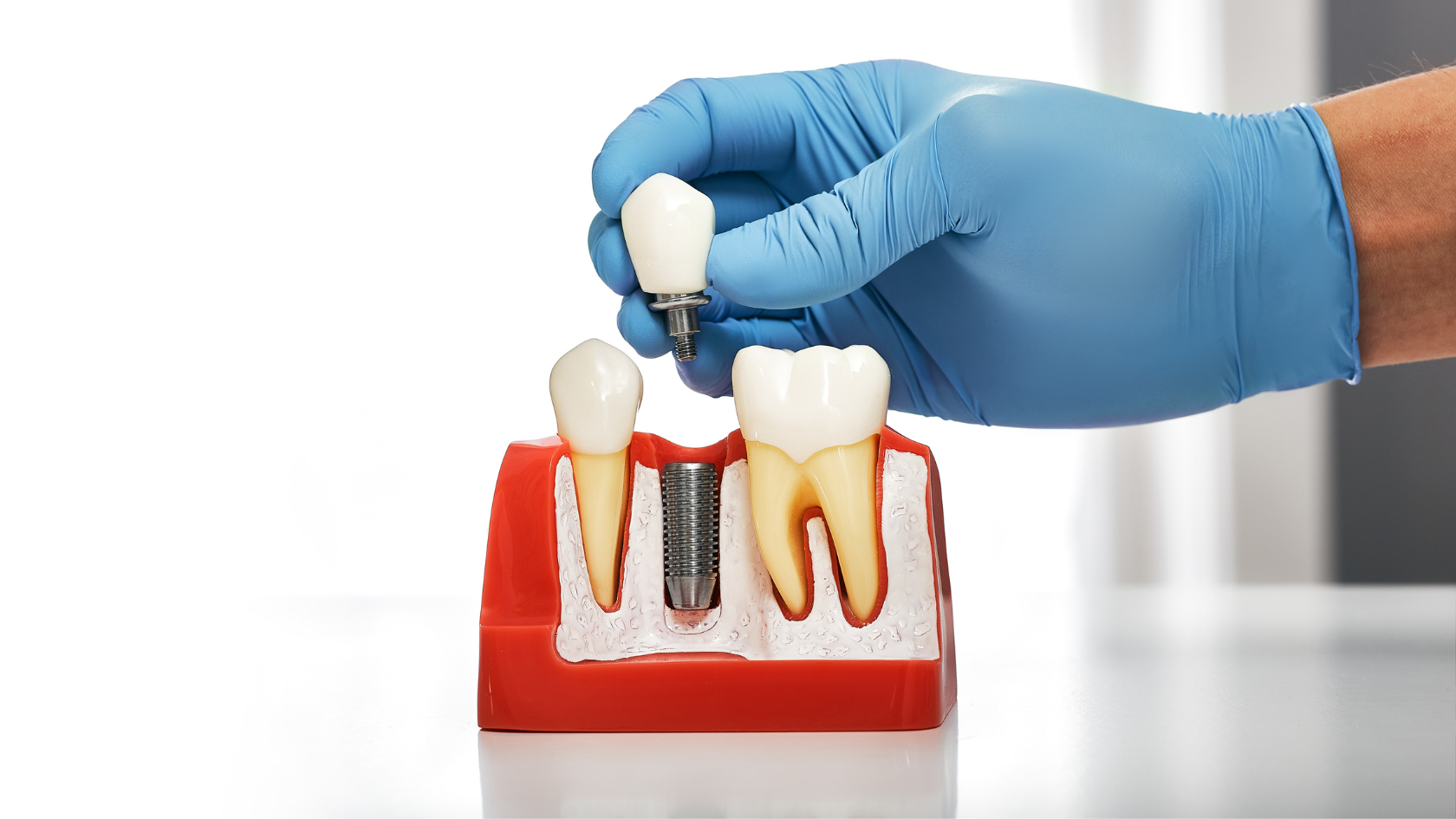
Dental prosthetics are synthetic dental roots made of compatibly designed materials, such as titanium, crafted to ensure a solid foundation for prosthetic teeth. They are medically placed into the jawbone, allowing the implants to bond with the bone through a method called bone integration. This forms a secure and durable base for caps, dental bridges, or false teeth, effectively reestablishing both operation and appearance to a person's mouth.
The process for dental prosthetics typically entails several steps, starting with a thorough evaluation by a oral health expert to assess if the candidate is a suitable recipient. Imaging tests such as computed tomography scans or CAT scans may be performed to check bone structure and quality. Once cleared, the surgical insertion of the implant takes place, followed by a recovery period where the implant integrates with the bone structure. Afterward, an joint is placed, and finally, a tailored crown is fitted to finalize the reconstruction.
These implants not only replace missing teeth but also support significantly to oral health. They help avert bone loss by activating the jawbone, comparable to natural teeth. This maintenance of bone density is vital for maintaining appearance and capability. Additionally, implants can improve articulation, comfort while eating, and overall self-confidence, turning them into a favored solution for individuals seeking answers for tooth loss.
Benefits and Considerations
Dental implants offer numerous benefits that set them apart from other tooth replacement options. One of the most significant advantages is the capability to closely mimic natural teeth. Implants are inserted into the jawbone, providing a stable and secure foundation for crowns, which improves chewing effectiveness and comfort. Additionally, dental implants help stop bone loss, a frequent issue that arises from missing teeth, as they stimulate the jawbone just like natural tooth roots. This maintenance of bone structure contributes not only to the durability of the implants but also to the overall aesthetic of the face.
However, there are considerations to keep in mind when thinking about dental implants. The initial cost can be higher than other options like dentures or bridges, which might lead some to doubt their value. It's crucial to factor in the long-term benefits and durability of implants, as they often last considerably longer than other solutions, making them a wise investment over time. Furthermore, the procedure requires adequate bone density to support the implant, which may require bone grafting for some patients, adding another layer of complexity to the process.
Ultimately, the decision to opt for dental implants should be informed by both the benefits and potential challenges. Consulting with a qualified dental professional can provide clarity on individual suitability and the specific procedures involved. By recognizing these factors, patients can make a self-assured choice that fits with their oral health goals and lifestyle preferences.
The Implant Process and Aftercare
Getting dental implants consists of several important stages. First, a consultation with a dental professional determines if you are a suitable candidate, which includes assessing your dental condition and might need imaging studies to assess bone density. If needed, bone grafting can be done to establish a strong foundation for the implant. After the initial steps, the real implant surgery is conducted, where a metal post is surgically positioned into the jawbone. This post serves as the root for the replacement tooth that will be secured after the healing period.
After the implant surgery, a healing period of several months is crucial to enable the bone to integrate with the titanium post. During this time, patients may need to adhere to specific care instructions, such as staying away from hard foods and keeping up with good oral hygiene to prevent infection. Regular follow-up appointments are key to track the healing progress. Once new teeth is complete, a crown is then placed on the implant, reestablishing both function and appearance to the smile.
Post-operative care for dental implants is vital for long-lasting success. Patients should adhere to their dentist's advice regarding oral hygiene practices, which often include cleaning and flossing around the implant site and maybe using anti-bacterial mouthwash. Regular dental check-ups will help guarantee that any problems are addressed early on. Furthermore, lifestyle habits, such as avoiding and maintaining a healthy diet, can significantly affect the longevity of implants and overall oral health.