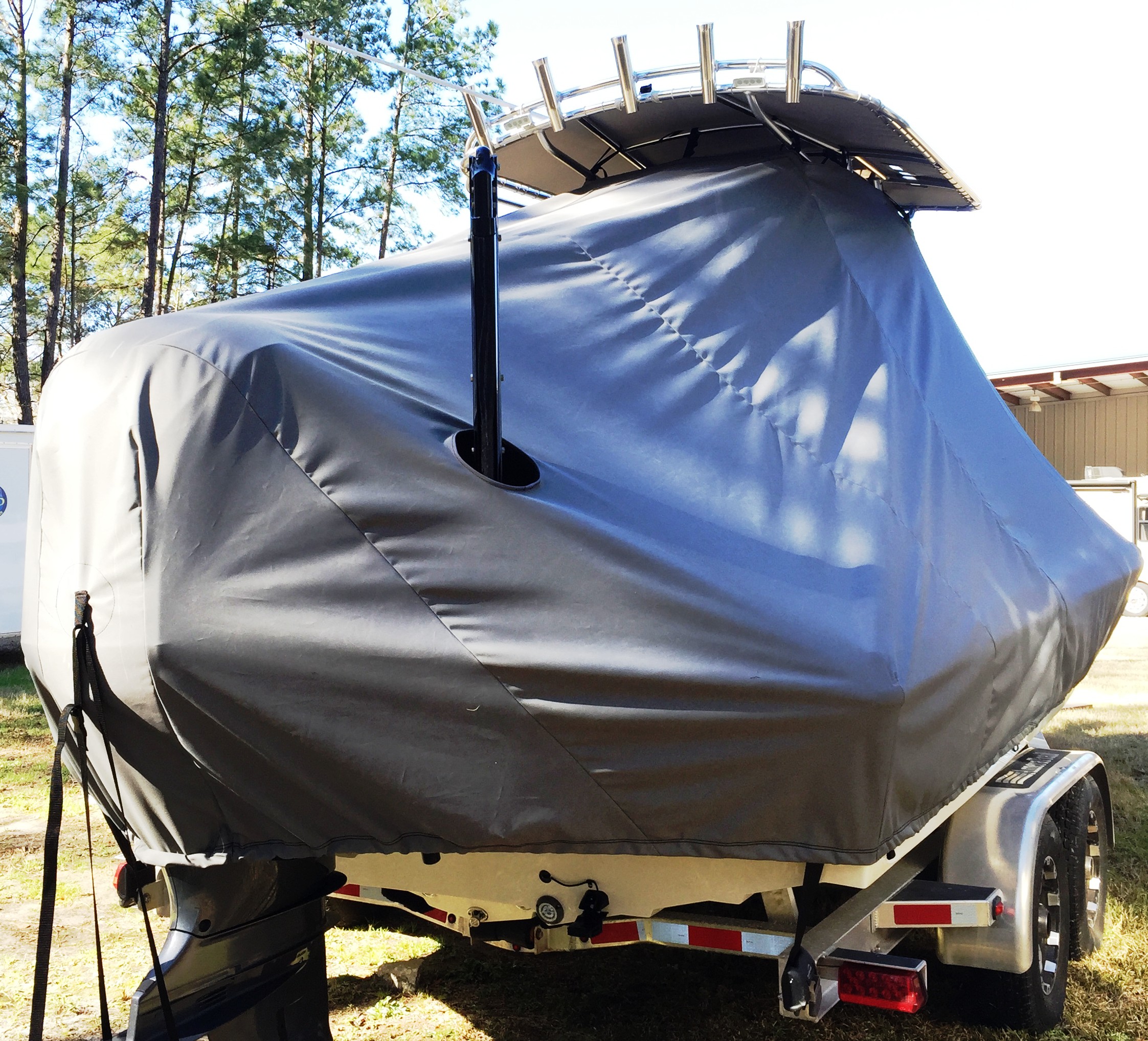
Purchasing a boat cover can feel daunting, especially with the multitude of options available on the industry today. Whether you are a veteran sailor or a recreational sailor, comprehending what makes a good boat cover is vital for shielding your investment. A quality cover not only shields your boat from extreme weather conditions, but it also aids avoid deterioration from UV rays, mold, and mildew. In this resource, we will provide expert insights into the important considerations you need to think about before making your acquisition.
From the materials used to the stylistic elements, every detail matters when it comes to discovering the perfect fit for your boat. In addition, we will review frequent errors that boat owners make and provide valuable suggestions on how to upkeep and secure your cover properly. So, regardless of whether Check out this site looking for personalized choices or evaluating the benefits and drawbacks of universal covers, join us as we journey through the key elements of choosing a boat cover that fulfills your demands.
Choosing the Right Boat Cover
Determining the best boat cover is important for protecting your investment and ensuring the durability of your vessel. One of the primary steps is to evaluate the size and shape of your boat. Accurate measurements will help you determine whether to choose a tailored or universal cover. While universal covers offer convenience, they may not fit your boat as tightly as a tailored option, which can result in inadequate safeguarding against the elements.
Fabric play a key role in the durability and effectiveness of a boat cover. Common materials include cotton and polyester, each with its own set of pros and cons. Canvas covers often provide better UV protection and breathability, while polyester offers lightweight convenience and water resistance. Understanding the particular climate conditions your boat will encounter can further guide your choice in choosing the best material.
Lastly, consider additional features that enhance the cover's performance. Look for options that include reinforced seams, built-in venting systems, and adjustable tying mechanisms. These details can greatly impact how well the cover functions, especially under different weather conditions. By factoring in size, material, and unique features, you'll be better prepared to finding a boat cover that meets your needs efficiently.
Understanding Boat Cover Fabrics
As picking a boat cover, the content plays a crucial role in determining the cover's effectiveness and lifespan. Popular materials include polyester, canvas fabric, and Sunbrella fabric. The polyester option is popular for its strength and water-resistance, making it a ideal choice for multiple weather conditions. The canvas option, while commonly favored for its strength and air permeability, demands more upkeep to keep it in optimal condition. The Sunbrella material is known for its ultraviolet protection and vibrancy maintenance, making it ideal for boat owners concerned about sun damage.
Every material has its strengths and disadvantages, and the optimal choice often depends on the individual needs of the boat owner. For example, if the cover will be exposed to extreme weather, a heavy-duty polyester cover may be the best option. Conversely, if you're looking for an option that is light and manageable and easy to handle, breathable canvas could be the way to go. Evaluate your regional weather and how you plan to use the cover when making your decision.
Additionally, keep an eye out for features like strong stitching and ultraviolet resistance in the construction. These features can boost the cover's longevity and functionality over time. A quality boat cover will not only safeguard your boat from the environment but can also contribute to its overall worth by protecting its condition. Evaluating the advantages and drawbacks of multiple materials will help you pick the most suitable boat cover for your requirements.
Care and Maintenance for Covers for Boats
Suitable maintenance and care are vital for prolonging the life of your boat cover. Regularly examine your cover for possible signs of deterioration, such as fraying seams or fabric deterioration. Cleaning your cover occasionally with a gentle soap solution and a non-abrasive brush can help eliminate dirt, mold, and mildew, preventing long-term damage. Ensure that the cover is fully dry before putting away it, as moisture can lead to mold growth and decomposition of the materials.
When not in use, it's important to store your boat cover properly to prevent any avoidable damage. Carefully folding it properly and placing it in a cool, non-humid area will help maintain its shape and keep it free from pests. Additionally, using a breathable storage bag can protect it from dust and debris while letting any residual moisture to escape. Steer clear of storing your cover in areas open to intense sunlight or excessive temperatures, as this can speed up material breakdown.
If your boat cover sustains minor damage, such as small tears or loose seams, prompt repairs can help avoid more significant issues later on. Many boat cover materials are easy to mend with adhesive patches or sewing kits designed particularly for marine fabrics. Keeping a small repair kit on hand will enable you to address any damage swiftly, guaranteeing your cover remains to provide maximum protection for your boat purchase.