

Within an world saturated of factory-made materials, the art of rock masonry shines as a tribute to enduring skill and perpetual elegance. Artisanal stone works not just enhance the aesthetics of a house and also show a profound appreciation for nature and expert artisanship. From custom stone fireplaces that serve as the centerpiece of homes to refined stone terraces that welcome external gatherings, each creation narrates a distinct narrative of commitment and creativity.
As homeowners aim to enhance both their interior and exterior spaces, grasping the subtleties of this craft becomes vital. Whether contemplating a stunning stone wall or curious in the historical relevance of stone buildings, the richness of knowledge surrounding this art is immense. Explore the craftsmanship and aspects that define quality stonework, and learn how putting resources into professional stone masonry can boost the beauty and value of your estate for generations to arrive.
Fundamental Rock Masonry Methods
Stone masonry is not only an artisan craft and a technical discipline, requiring a combination of skillful techniques and an eye for aesthetic appeal. One of the basic techniques is stone cutting, where accurate dimensions and tools are used to create stones that fit seamlessly together. This technique is vital in guaranteeing that the structure is not only stable but also aesthetically pleasing. A carefully crafted stone cut can make a significant impact in the overall appearance of a project, highlighting the natural beauty of the stone.
Another important method is placing the stones, which involves knowing the best configurations and formations for the specific type of building. Various methods, such as dry stacking or applying mortar, can completely alter the look and durability of the project. Properly laying stones demands knowledge of load balancing, structural stability, and visual attraction, making it a skill that skilled masons develop over years. Stone Conservation Worcestershire emphasizes the significance of more than just functionality but also artistic design in stone masonry.
Moreover, finalizing techniques, including carving and polishing, are crucial for achieving the final appearance of stone installations. These methods enhance the texture and color of the stone, allowing the natural elegance to come forth. Perfecting various finishing techniques can transform a project from common to remarkable, showcasing the mason's skill and attention to finishing touches. Appropriate maintenance and care for these final touches are equally crucial to ensure longevity and lasting beauty in any stone masonry work.
Choosing the Right Stone Mason
Choosing the right stone mason for your project is vital to ensuring that the craftsmanship reflects both excellence and your specific aesthetic. Begin by looking into local stone masons and examining their previous work. Look for samples of their past work that resonate with your style taste. It's also helpful to check out reviews and testimonials from previous clients to gauge their reliability and professionalism.
Once you have narrowed down your choices, don't hesitate to ask for references. Reach out to previous clients to ask about their experiences with the mason. It's important to assess not only the standard of the work but also the communication skills and punctuality of the contractor. Clear communication is key to avoid confusion during the project.
In conclusion, make sure to talk about details such as deadlines, materials, and costs at the outset. A reputable stone mason should offer a comprehensive estimate, including labor and material costs. Clarifying these details can help you avoid unexpected costs and ensure that your job is finished on time and to your liking. This careful selection process will lead to a prosperous stone masonry endeavor that adds to the aesthetic and value of your home.
Upkeep and Repair Guidelines
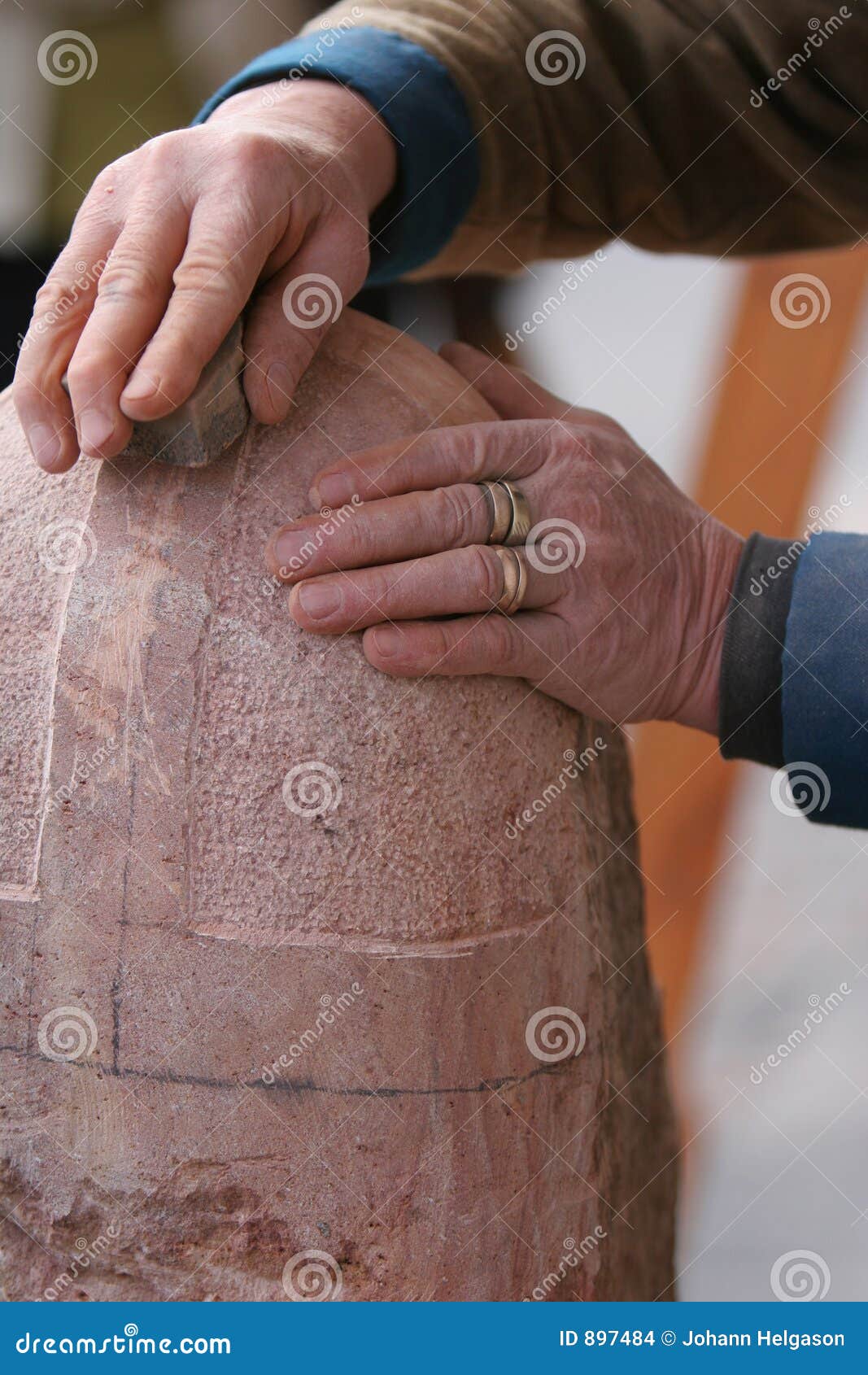
Caring for stone structures is crucial to ensure their durability and beauty. Frequent cleaning plays a key role in protecting the appearance of natural stone. Use a soft cleanser specially formulated for stone surfaces, not using harsh chemicals that can cause damage. For exterior stone, rinsing with water after periods of intense rain or snowfall can prevent the buildup of dirt and algae. Additionally, using a soft brush to brush away debris will help preserve the stone’s texture and aesthetic.
Renewal is often necessary for aging stonework, particularly in old buildings where wear and tear can be considerable. When restoring stone, it is crucial to recognize the original materials used to ensure appearance consistency. Techniques such as joint repair, which includes repairing mortar joints between stones, can help prevent further damage and improve the overall look of the structure. For more extensive restorations, speak with a professional stone mason who has knowledge with historical techniques to maintain faithfulness.
Weather can significantly impact stone structures, leading to cracks or deterioration over time. To reduce these effects, ensure proper drainage systems are in place to redirect water away from the foundation. Consistently inspect for signs of damage after heavy storms or extreme temperature fluctuations, and address issues promptly to stop escalation. Overall, preventative maintenance and thoughtful restoration work can breathe new life into stone installations, allowing them to stand the test of time.