

As you consider transforming your living space, certain factors have as profound an impact as a new layer of color. The colors you choose can revitalize your home, create an atmosphere for each room, and even increase its worth. Whether you're thinking about a bold new hue for your kitchen or thinking of a subtle refresh for the entire exterior, understanding the principles of color is essential to creating a space that embodies your personality and style.
In this guide, we will dive into everything you need to know about house painting, from recognizing the signs that it’s time for a new coat to the current styles that will keep your home modern and appealing. We will cover the basics, including how to pick suitable hues, the distinctions between interior and exterior painting, and whether to do it yourself or engage experts. Additionally, we’ll offer vital tips on preparation, maintenance, and common errors to avoid, ensuring that your painting project will be a success from inception to conclusion.
Signs Your Home Requires Painting
One of the most noticeable signs your property is due for a fresh coat of paint is the appearance of flaking or chipping paint. When paint begins to show these signs of deterioration, it not only detracts from the overall appearance of your home but can also expose the underlying surfaces to water and damage. Regularly inspecting your walls and trim for these issues can help you identify problems in a timely manner and preserve the condition of your property.
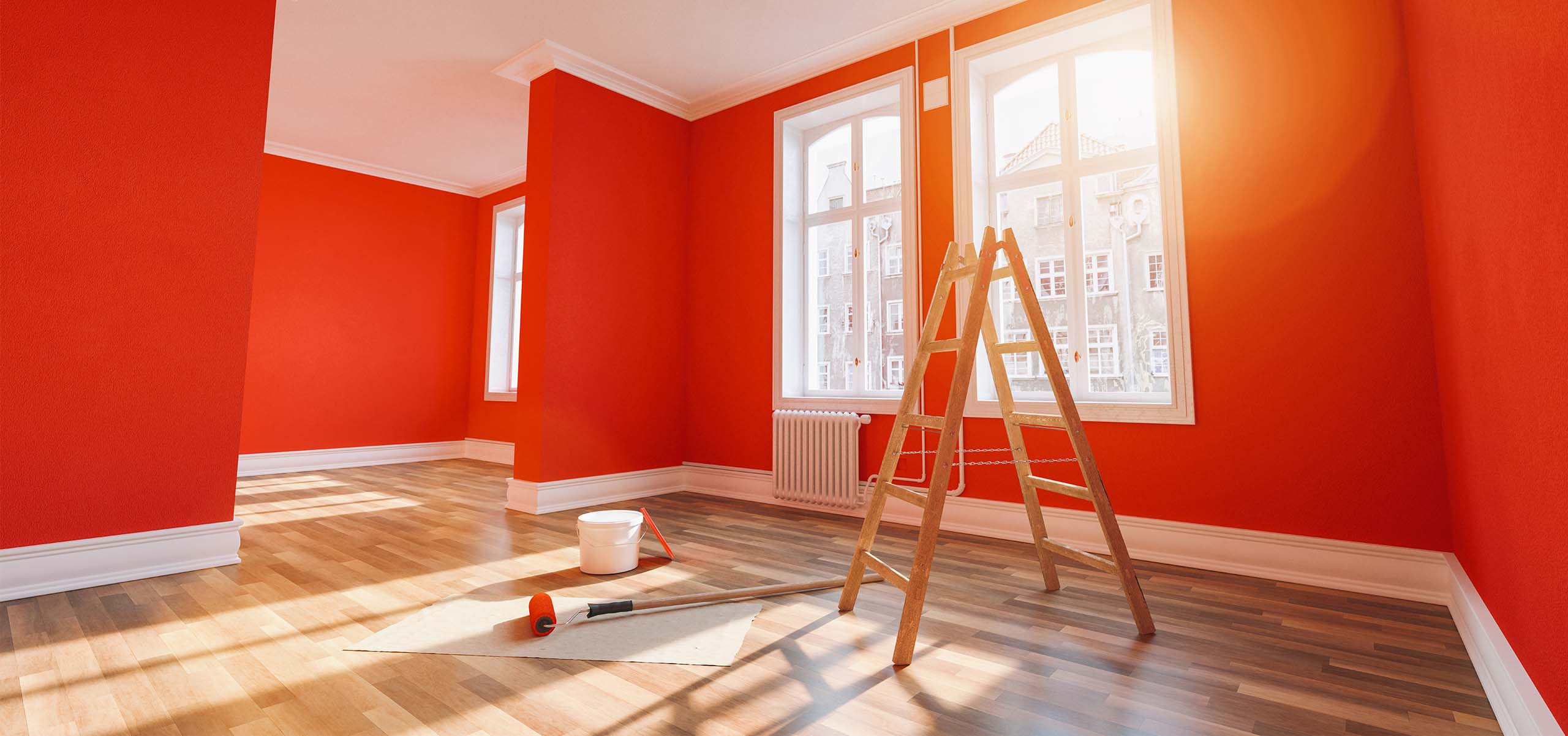
Dimming colors, especially in areas that receive strong sunlight, are another clear indicator that necessary to revitalize your property’s paint. With time, UV rays can deteriorate the pigments in paint, leading to a faded appearance. If you see that your formerly bright colors have dulled or shifted, it may be necessary to consider a fresh coat of paint. Additionally, updating your color scheme where needed can enhance your home's attractiveness and style.
In conclusion, if you see signs of mildew or fungus on your walls, this can be a serious indicator that paint is required. These issues often arise in humid or wet areas, and they can not only ruin the finish but also pose health risks. Addressing mold promptly and applying the right type of paint can help prevent future growth and ensure a safer living environment for you and your family.
Selecting the Right Paint
Selecting the appropriate paint for your house is essential for realizing the desired look and longevity. Begin by considering the category of surface you are coating, as different substances require specific coating formulations. For instance, latex paint is ideal for interior surfaces, whereas oil-based coatings perform well for molding and cabinetry. Additionally, evaluate the sheen degree; increased gloss levels are more long-lasting and simpler to clean, making them appropriate for spaces like kitchens and restrooms, whereas flat textures can impart coziness and elegance to family spaces.
Then, reflect on hue and how it affects the ambiance of every room. Lighter hues can render a space feel larger and more open, while darker tones can elicit a warm and intimate atmosphere. It's essential to test paint samples on your walls and observe them at various moments of the daylight, as natural light can significantly affect how a color looks. Consider using vibrant hues for accent surfaces to add depth and character to your space.
Finally, consider the ecological effects of your coating decisions. Environmentally friendly options, such as low-VOC and zero-VOC coatings, are not only environmentally preferable but also promote a safer living environment. If you're reactive to smells or want to reduce indoor atmospheric contaminants, these paint options are valuable considering. Selecting the right paint requires a balance of aesthetics, practicality, and environmental factors, ensuring a lovely and enduring home makeover.
Getting Ready for a Painting Job
Prior to you begin your decorating project, it’s essential to assess and prepare your area properly. Begin by decluttering the space to make sure that you have plenty of room to operate. Move furniture, decorations, and any things that might obstruct your work area. Protect your flooring with cloths or used paper to shield them from paint spills and splatters. Spending the time to clear the area will make your painting process smoother and assist produce neater outcomes.
After that, it’s necessary to assess the surfaces you will be painting. Check for any damage such as cracks, holes, or flaking paint. Fixing these issues beforehand will guarantee a higher quality finish and prolong the durability of your fresh paint work. Quality Coats Painting Painters Tyler TX out uneven patches and clean the areas to remove dust and grease. Applying a base coat can also create a much more consistent base for your paint, particularly when covering dark hues or marks.
Finally, collect all the essential supplies before you begin. This includes brushes, roller brushes, masking tape, and the chosen paint. Having everything on site will save you effort and allow you to concentrate on your decorating job without interruptions. Look into your selected paint variety and finishes to ensure they meet your requirements, considering factors like longevity and application simplicity. Adequate preparation lays the foundation for a successful and enjoyable decorating process.