

In the field of building and digging, utility surveys have become an essential component in ensuring successful project execution. As the need for structural expansion continues to increase, understanding the underground environment is more vital than ever before. Utility surveys provide vital information about existing underground utilities, including water, gas, electricity, and telecommunications. Failing to perform a proper utility survey can lead to serious consequences, which can involve costly setbacks to potential dangers during excavation.
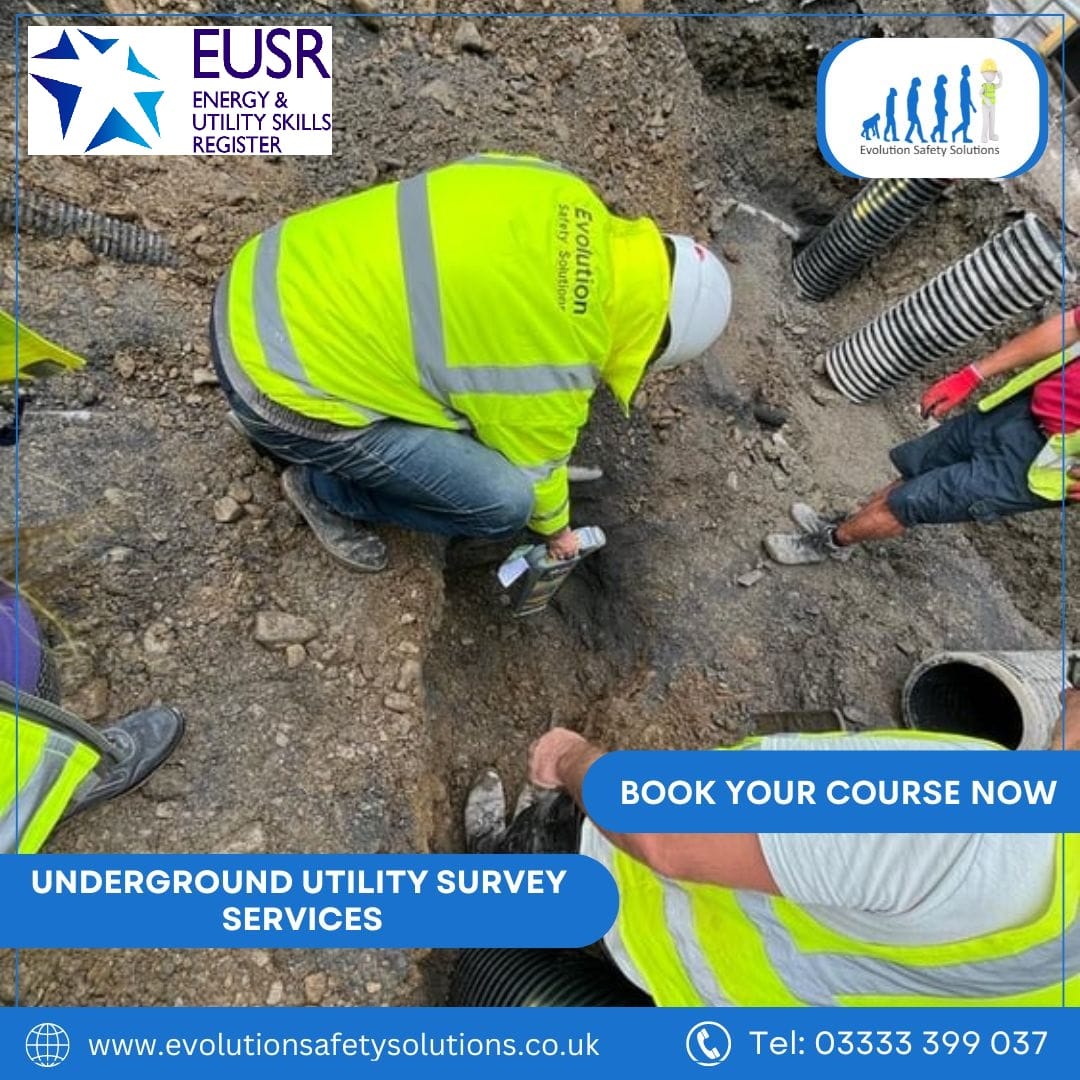
This article will serve as a comprehensive manual to utility surveys, describing their significance, methods, and how they add to safer construction practices. From distinguishing between utility surveys and utility mapping to exploring the most recent tech advancements in the industry, we aim to provide construction professionals and developers with the knowledge they must have to navigate the challenges of utility surveys successfully. Regardless of whether you're starting a new development or planning remodeling work, understanding the basics of utility surveys can assist you lessen risks and secure a less complicated path to project finalization.
Grasping Utility Assessments
Essential assessments are crucial tools used in building and excavation projects to identify and locate underground utilities such as water, natural gas, electrical lines, and telecommunications. These surveys are critical for ensuring that building activities do not inadvertently damage current infrastructure, which can lead to costly repairs and likely hazardous situations. By obtaining a clear picture of what lies beneath the ground, construction teams can organize their work more efficiently and securely.
The importance of utility surveys is underscored by the possible risks associated with underground utilities. Hitting a utility line during excavation can result in grave accidents, including explosions, harm, or service failures. Moreover, the financial implications of delaying a project due to utility damage can be substantial. Conducting a essential survey before any groundworks begin mitigates these risks and enhances overall project efficiency by delivering accurate data that informs planning and decision-making.
In the last several years, developments in technology have transformed how utility surveys are conducted. Techniques such as Ground Penetrating Radar (GPR) and electrical induction are now widely employed to attain high levels of accuracy and detail. These innovative methods allow inspectors to effectively map both above-ground and underground utilities, improving the quality of information provided to building teams. As a result, understanding essential assessments not only promotes more secure building practices but also adds to the entire success of a project.
Importance and Gains of Utility Surveys
Utility surveys serve a crucial role in ensuring the well-being and success of construction projects. By identifying the positions and condition of underground utilities such as hydraulic, fuel, energy, and drainage systems, these surveys help mitigate accidental harm during digging and construction tasks. This preventive approach not only safeguards workers and the public but also protects existing infrastructure, reducing the chance of financially draining repairs and service breakdowns.
In addition to enhancing safety, utility surveys are essential for strategizing and lessening construction setbacks. A comprehensive utility survey provides invaluable information that allows project teams to make knowledgeable choices about site layout and excavation techniques. By comprehending Click here for more existing utilities before groundworks begin, construction teams can avoid unexpected problems, optimize workflows, and ultimately keep projects on schedule and within cost constraints.
Moreover, the insights gained from utility surveys can lead to considerable cost savings for construction projects. Accurate mapping and recognition of utilities decrease the probability of redo tasks and delays associated with accidental utility strikes. Furthermore, employing advanced technologies in utility surveys, such as Ground Penetrating Radar, enables more productive data collection and analysis. By putting money in utility surveys up front, developers and contractors can obtain long-term financial advantages by preventing the financial burdens and delays that arise from utility-related incidents during construction.
Technology and Upcoming Developments in Utility Surveying
The landscape of utility surveys is rapidly changing with improvements in technology. Conventional approaches, despite remaining relevant, are more and more supplemented by cutting-edge techniques such as Ground Penetrating Radar (GPR) and electromagnetic induction. These technologies improve the efficiency and precision of detecting underground utilities, providing clearer insights into subterranean infrastructure. The integration of UAVs and artificial intelligence algorithms has also begun to play a significant role in mapping utilities, allowing for faster data gathering and evaluation, eventually simplifying the planning stages for construction initiatives.
Additionally, the future of utility surveying is strongly linked to the progress of BIM and digital construction methodologies. As professionals in the construction industry require greater integration, utility surveying will increasingly contribute to virtual replicas and real-time data analysis. This change not only improves cooperation among stakeholders but also provides a holistic view of existing infrastructure that is essential for decision-making. The drive for sustainability and the demand for smarter cities further highlight the importance of accurate utility surveying in infrastructure planning and development.
In the future, we can anticipate continuing innovation in utility surveying methods, with an emphasis on improving accuracy and minimizing risks. New technologies such as ML will likely change how data interpretation occurs, leading to better predictive analytics for risks associated with construction. Furthermore, as regulations around infrastructure safety tighten, the need for detailed and accurate utility surveys will only increase, ensuring the sustainability of construction initiatives in a more complex and regulated environment.